Top-Rated Waterproof Exterior Paint Solutions for Stucco and Masonry Walls
When it comes to protecting stucco and masonry walls from moisture and other environmental factors, using waterproof exterior paint is essential. Waterproof paint creates a barrier that prevents water infiltration, thus reducing the risk of damage such as cracking, peeling, or mold growth.
Key Factors to Consider When Selecting Top-Rated Waterproof Exterior Paint
- Waterproofing Ability: Look for paint specifically designed to be waterproof and provide long-lasting protection against moisture.
- Adhesion: Ensure the paint has good adhesion to stucco and masonry surfaces to prevent peeling or flaking.
- Durability: Choose a paint that is durable and can withstand harsh weather conditions to maintain its effectiveness over time.
- Breathability: Opt for a paint that allows moisture vapor to escape from the walls to prevent trapping moisture within the surface.
Popular Brands Known for High-Quality Waterproof Paint Products
- Sherwin-Williams: Known for their wide range of high-quality exterior paints, Sherwin-Williams offers waterproof options suitable for stucco and masonry walls.
- Behr: Another reputable brand, Behr, provides waterproof exterior paints that are durable and long-lasting, ideal for protecting exterior surfaces.
- Benjamin Moore: With a reputation for producing premium paints, Benjamin Moore offers waterproof options that deliver excellent protection and coverage for stucco and masonry walls.
Types of Waterproof Exterior Paint
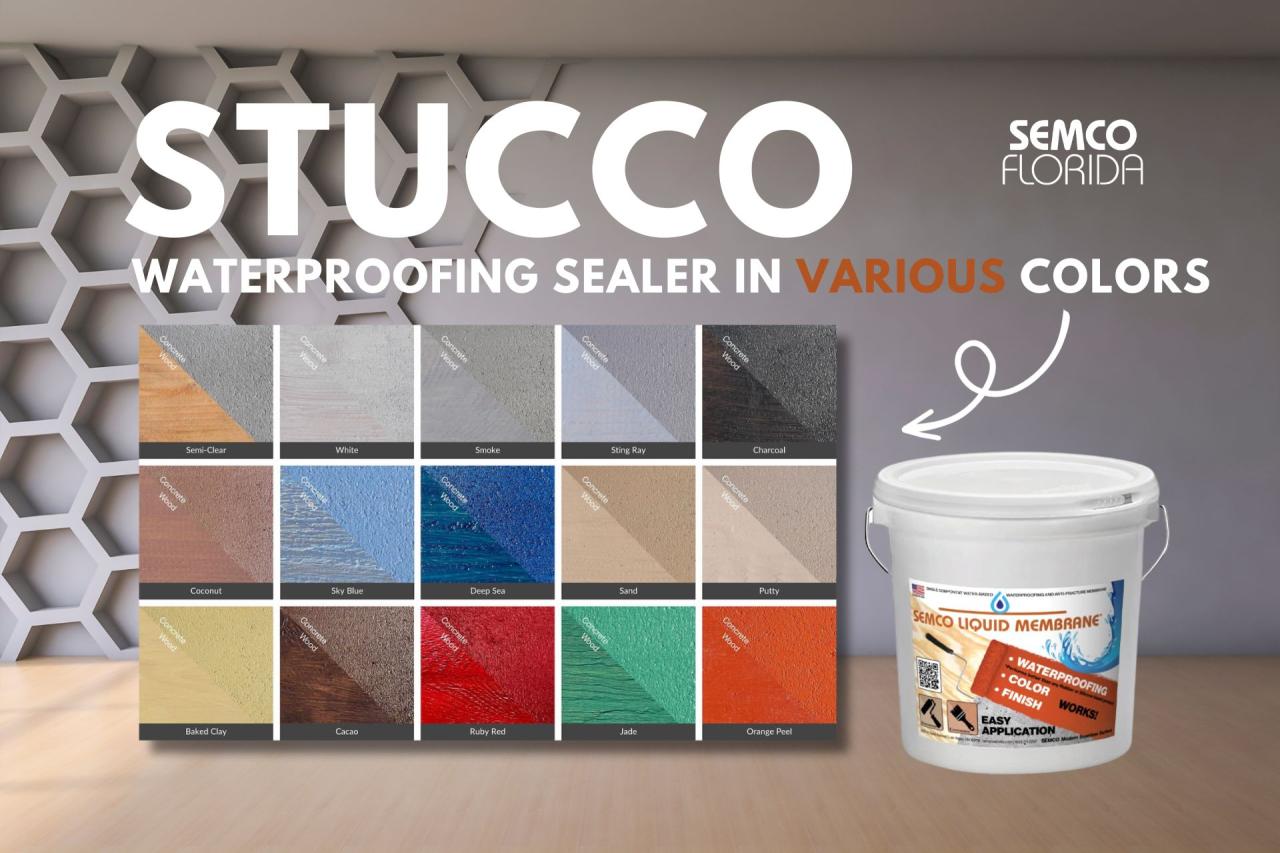
When it comes to waterproof exterior paint for stucco and masonry walls, there are several types available in the market. Each type has its own set of features, benefits, and drawbacks that make them suitable for different applications.
Acrylic Waterproof Paint
Acrylic waterproof paint is a popular choice for stucco and masonry walls due to its versatility and ease of application. It forms a durable and protective layer that is resistant to water and UV rays. Acrylic paint is available in a wide range of colors and finishes, making it a great option for adding aesthetic value to your exterior walls.
However, acrylic paint may not be as flexible as other types, which can lead to cracking over time.
Elastomeric Waterproof Paint
Elastomeric waterproof paint is known for its high elasticity and flexibility, making it ideal for areas that experience temperature fluctuations and movement. This type of paint can stretch to accommodate minor cracks and gaps, providing a seamless and watertight barrier.
Elastomeric paint is highly durable and can withstand harsh weather conditions, but it can be more challenging to apply compared to acrylic paint due to its thicker consistency.
Silicone-Based Waterproof Paint
Silicone-based waterproof paint is a premium option known for its exceptional water repellent properties. It forms a breathable barrier that allows moisture to escape while preventing water infiltration. Silicone-based paint is highly resistant to mold, mildew, and UV damage, making it a long-lasting solution for stucco and masonry walls.
However, this type of paint is more expensive than acrylic and elastomeric options, which can be a drawback for budget-conscious consumers.
Preparation and Application
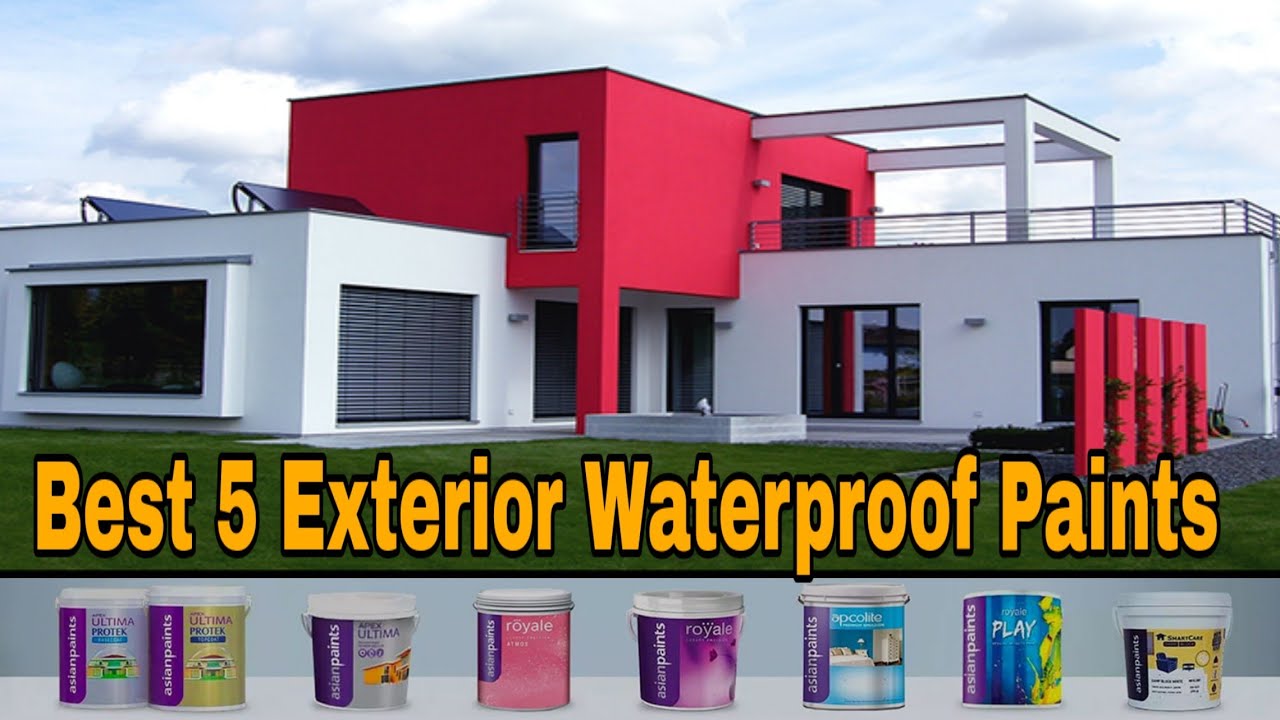
Before applying waterproof paint to stucco and masonry walls, proper preparation is essential to ensure a long-lasting and effective finish. This includes cleaning the surface, repairing any damage, and priming the walls for better adhesion.
Preparation Steps
- Clean the surface: Remove any dirt, dust, or debris from the walls using a pressure washer or scrub brush. This will help the paint adhere better to the surface.
- Repair any damage: Fill in cracks or holes in the stucco or masonry walls using a suitable filler or patching compound. Smooth out the surface for an even finish.
- Prime the walls: Apply a coat of primer specifically designed for masonry surfaces. This will help the waterproof paint bond effectively and improve its durability.
Application Techniques
- Use a high-quality paint roller or sprayer for applying the waterproof paint to stucco and masonry walls. This will ensure even coverage and a smooth finish.
- Start from the top and work your way down to prevent drips and streaks. Apply the paint in thin, even layers for optimal protection against moisture.
- Allow each coat to dry completely before applying the next one. Follow the manufacturer's instructions regarding drying times and re-coating intervals.
Tips for a Smooth Finish
- Avoid painting in direct sunlight or extreme heat, as this can cause the paint to dry too quickly and result in a patchy finish.
- Check the weather forecast before painting to ensure there is no rain in the forecast, as moisture can affect the paint's adhesion and durability.
- Use a high-quality waterproof paint specifically designed for exterior masonry surfaces to ensure long-lasting protection against the elements.
Maintenance and Longevity
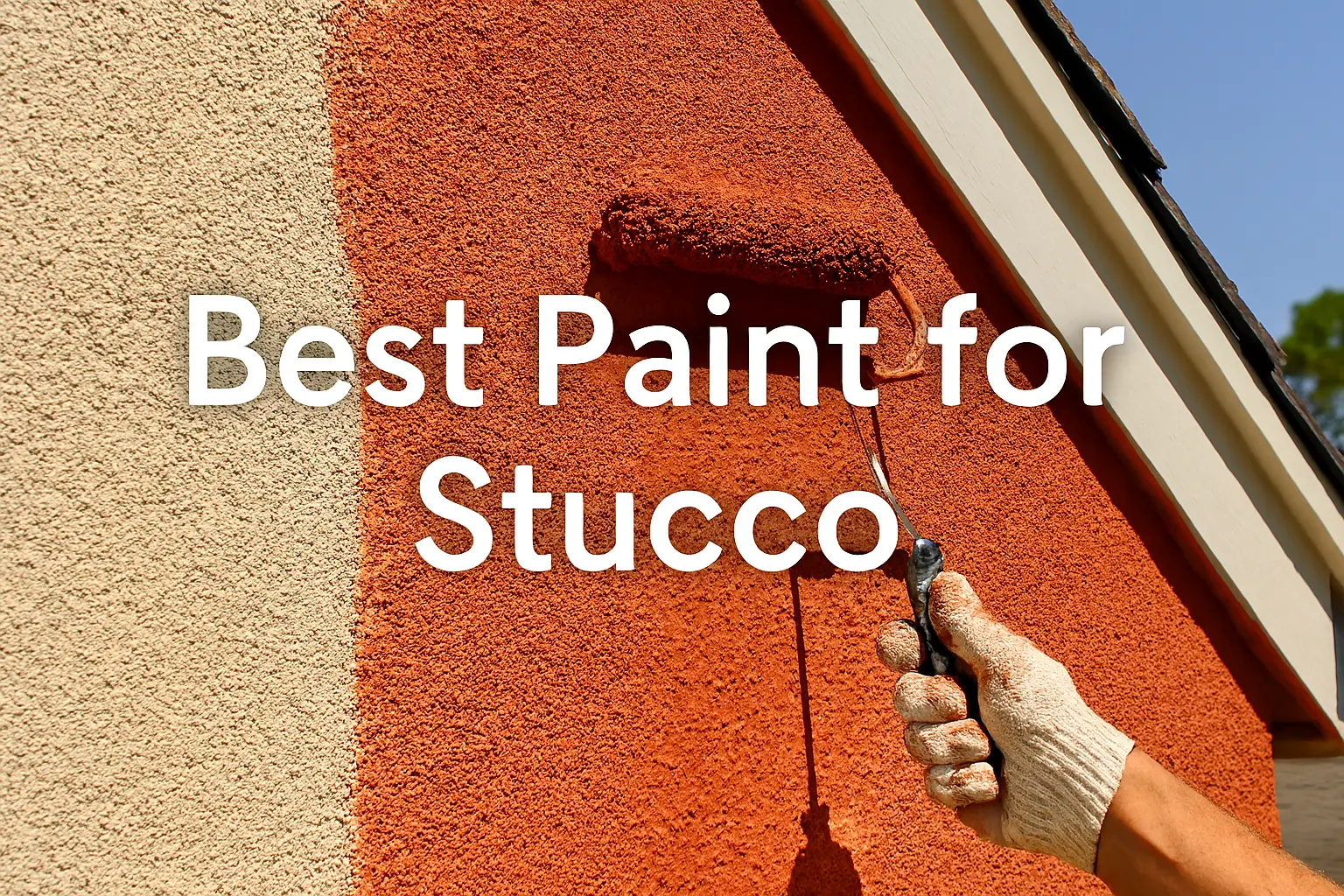
Maintaining the waterproof paint on stucco and masonry walls is essential to ensure its long-lasting effectiveness in protecting the surfaces from moisture damage and other environmental elements. Regular upkeep can significantly prolong the lifespan of the paint and the walls themselves.
Maintaining Waterproof Paint
- Inspect the painted surfaces annually for any signs of wear, peeling, or damage.
- Address any issues promptly by cleaning the area and applying touch-up paint as needed.
- Keep the walls clean by washing them with mild soap and water to prevent dirt and grime buildup.
- Trim back any vegetation that may be touching the walls to avoid moisture retention and potential damage.
Expected Longevity and Factors Affecting Durability
- Top-rated waterproof exterior paints can last anywhere from 5 to 15 years, depending on the quality of the paint and the application process.
- Factors that can affect the longevity of waterproof paint include exposure to harsh weather conditions, UV radiation, and poor surface preparation.
- Proper application techniques, such as using multiple coats and allowing sufficient drying time between coats, can also impact the durability of the paint.
Recommendations for Periodic Inspections and Touch-ups
- Perform regular inspections of the painted surfaces every 6-12 months to check for any signs of wear or damage.
- Touch up any areas where the paint has chipped or peeled to maintain the protective barrier against moisture.
- Consider repainting the entire surface every 5-10 years to ensure continued protection and prevent water intrusion.
Helpful Answers
What are the key factors to consider when selecting top-rated waterproof exterior paint for stucco and masonry walls?
Factors to consider include breathability, durability, and resistance to mold and mildew.
How can one maintain waterproof paint on stucco and masonry walls for longevity?
Regular cleaning, inspections for damage, and timely touch-ups can help maintain the paint's effectiveness over time.
What are the benefits of acrylic waterproof paint compared to elastomeric and silicone-based options?
Acrylic paint offers good adhesion, while elastomeric paint provides flexibility, and silicone-based paint offers superior water resistance.