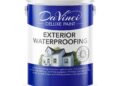
Eco-Friendly Waterproof Exterior Paint Solutions
Using eco-friendly waterproof exterior paints is crucial for protecting the environment and promoting sustainability. These paints are formulated with materials that have minimal impact on ecosystems and human health, making them a responsible choice for exterior surfaces.
Examples of Eco-Friendly Materials Used
- Bio-based ingredients sourced from plants
- Recycled content such as post-consumer waste
- Low or zero volatile organic compounds (VOCs)
- Natural pigments and mineral fillers
Benefits of Eco-Friendly Waterproof Paints
- Reduce air pollution and indoor air quality issues
- Decrease harmful emissions that contribute to ozone depletion
- Support sustainable practices in the paint industry
- Contribute to healthier living environments for occupants
Low VOC Emissions in Exterior Paint

When it comes to choosing exterior paint for your home, considering the VOC emissions is crucial for both environmental and health reasons. VOC stands for Volatile Organic Compounds, which are chemicals that can easily evaporate into the air, contributing to air pollution and smog formation.
High levels of VOC emissions can have harmful effects on human health and the environment.
Comparison between High VOC and Low VOC Paints
Traditional high VOC paints contain significant levels of harmful chemicals that can be released into the air during and after painting, leading to poor indoor and outdoor air quality. On the other hand, low VOC paints are formulated with fewer harmful chemicals, resulting in lower emissions and less impact on air quality.
Significance of Choosing Low VOC Paints for Outdoor Applications
- Reduced Health Risks: Low VOC paints help minimize exposure to harmful chemicals, reducing the risk of respiratory issues, headaches, dizziness, and other health problems.
- Environmental Impact: Choosing paints with low VOC emissions contributes to better air quality and reduces the overall carbon footprint, promoting a healthier environment.
- Durable Protection: Low VOC exterior paints provide long-lasting protection against weather elements while maintaining a sustainable approach to painting projects.
- Compliance with Regulations: Many regions have set regulations on VOC emissions, making it essential to choose low VOC paints to comply with environmental standards.
Characteristics of Eco-Friendly Waterproof Exterior Paints

When it comes to eco-friendly waterproof exterior paints, there are specific properties that set them apart from traditional options. These characteristics not only make them environmentally friendly but also highly effective in protecting surfaces against water damage.Exterior paints that are waterproof typically contain special additives that create a barrier against moisture.
These additives prevent water from penetrating the surface and causing damage such as mold growth, rot, or peeling. This crucial feature ensures the longevity and durability of the paint job, making it a reliable choice for outdoor applications.In the case of eco-friendly paints, in addition to being water-resistant, they are also formulated to be non-toxic and low in volatile organic compounds (VOCs).
These paints are safe for the environment and human health, making them a sustainable option for exterior surfaces. The use of natural and organic ingredients further enhances the eco-friendliness of these paints, ensuring minimal impact on the ecosystem.One of the key factors that contribute to the effectiveness of eco-friendly waterproof exterior paints is the role of additives.
These additives not only improve the paint's waterproofing capabilities but also enhance its resistance to UV rays, mildew, and other environmental factors. By incorporating additives such as fungicides, UV blockers, and anti-microbial agents, eco-friendly paints can withstand harsh outdoor conditions while remaining safe for both users and the environment.
Role of Additives in Enhancing Eco-Friendly Waterproof Paint Solutions
Additives play a crucial role in ensuring the performance and longevity of eco-friendly waterproof exterior paints. These specialized ingredients are carefully selected to improve the paint's ability to repel water and protect the surface from damage. By incorporating additives that are environmentally safe and effective, manufacturers can create sustainable paint solutions that meet the growing demand for eco-conscious products
Application and Maintenance

When it comes to applying eco-friendly waterproof exterior paint, following the right steps is crucial to ensure a successful and long-lasting paint job. Proper maintenance is equally important to preserve the quality and longevity of the paint. Let's delve into the details below:
Application of Eco-Friendly Waterproof Exterior Paint
- Clean the surface: Before applying the paint, make sure the exterior surface is clean, dry, and free of any dirt, dust, or debris. This will help the paint adhere better and last longer.
- Prepare the paint: Stir the eco-friendly waterproof exterior paint thoroughly to ensure an even consistency. If necessary, thin the paint according to the manufacturer's instructions.
- Apply the paint: Use a high-quality brush, roller, or sprayer to apply the paint evenly on the exterior surface. Start from the top and work your way down for a smooth finish.
- Allow drying time: Make sure to follow the recommended drying time between coats to avoid any issues with the paint's durability.
- Clean up: Clean your tools and equipment with water after painting to maintain their longevity and reduce environmental impact.
Maintenance Tips for Longevity
- Regular inspections: Periodically check the painted exterior for any signs of wear, peeling, or damage. Address any issues promptly to prevent further damage.
- Cleaning: Clean the painted surface periodically with mild detergent and water to remove dirt, grime, and pollutants that can affect the paint's longevity.
- Touch-ups: If you notice any areas where the paint has worn off or chipped, consider doing touch-ups to maintain the paint job's integrity.
- Protective coatings: Applying a clear protective coating over the eco-friendly waterproof exterior paint can enhance its durability and resistance to harsh weather conditions.
Compatibility with Different Exterior Surfaces
- Wood: Eco-friendly waterproof exterior paints are generally compatible with wood surfaces and provide excellent protection against moisture and UV rays.
- Brick: These paints can also adhere well to brick surfaces, offering a durable and long-lasting finish that resists water penetration.
- Concrete: Eco-friendly waterproof paints are suitable for concrete exteriors, providing a protective barrier against water damage and maintaining the surface's appearance.
- Metal: Some eco-friendly paints are formulated to bond effectively to metal surfaces, offering corrosion resistance and long-term protection.
User Queries
What are the benefits of using eco-friendly paints for exterior surfaces?
Eco-friendly paints reduce harmful emissions, promote better indoor air quality, and contribute to a healthier environment overall.
How do eco-friendly paints maintain durability and longevity?
Eco-friendly paints often contain high-quality, sustainable ingredients that enhance their longevity and resistance to external elements, ensuring a lasting finish.
Are eco-friendly paints compatible with different exterior surfaces?
Yes, eco-friendly paints are designed to be versatile and can be applied to various surfaces such as wood, metal, concrete, and more, offering a sustainable option for different painting projects.