Importance of Waterproof Exterior Paint
Using waterproof exterior paint is crucial for extending the life of your home's exterior. This type of paint provides a protective barrier that shields your house from various damaging elements, ultimately preserving its structural integrity and aesthetic appeal.
Protection Against Moisture and UV Rays
Waterproof exterior paint acts as a barrier against moisture infiltration, preventing issues like mold, mildew, and rot from developing on the exterior surfaces of your home. Additionally, it helps to block harmful UV rays from the sun, which can cause fading, discoloration, and deterioration of the exterior paint and materials over time.
- Moisture Protection: Waterproof paint forms a seal that prevents water from seeping into the walls, which can lead to costly water damage and structural issues.
- UV Ray Protection: By blocking UV rays, waterproof paint helps maintain the vibrant color of your home's exterior and prevents premature aging and deterioration of materials.
Consequences of Not Using Waterproof Paint
Not using waterproof paint on the exterior of your home can result in significant damage and costly repairs in the long run. Without proper protection, your home is susceptible to moisture damage, mold growth, fading paint, and deterioration of surfaces, leading to a decrease in property value and curb appeal.
- Water Damage: Unprotected surfaces can absorb water, causing wood rot, peeling paint, and structural damage over time.
- Mold Growth: Moisture buildup without proper protection can create an environment conducive to mold and mildew growth, posing health risks and requiring extensive remediation.
- Fading and Deterioration: Exposure to UV rays without a protective barrier accelerates the fading and deterioration of exterior surfaces, requiring more frequent repainting and repairs.
Types of Waterproof Exterior Paint Solutions
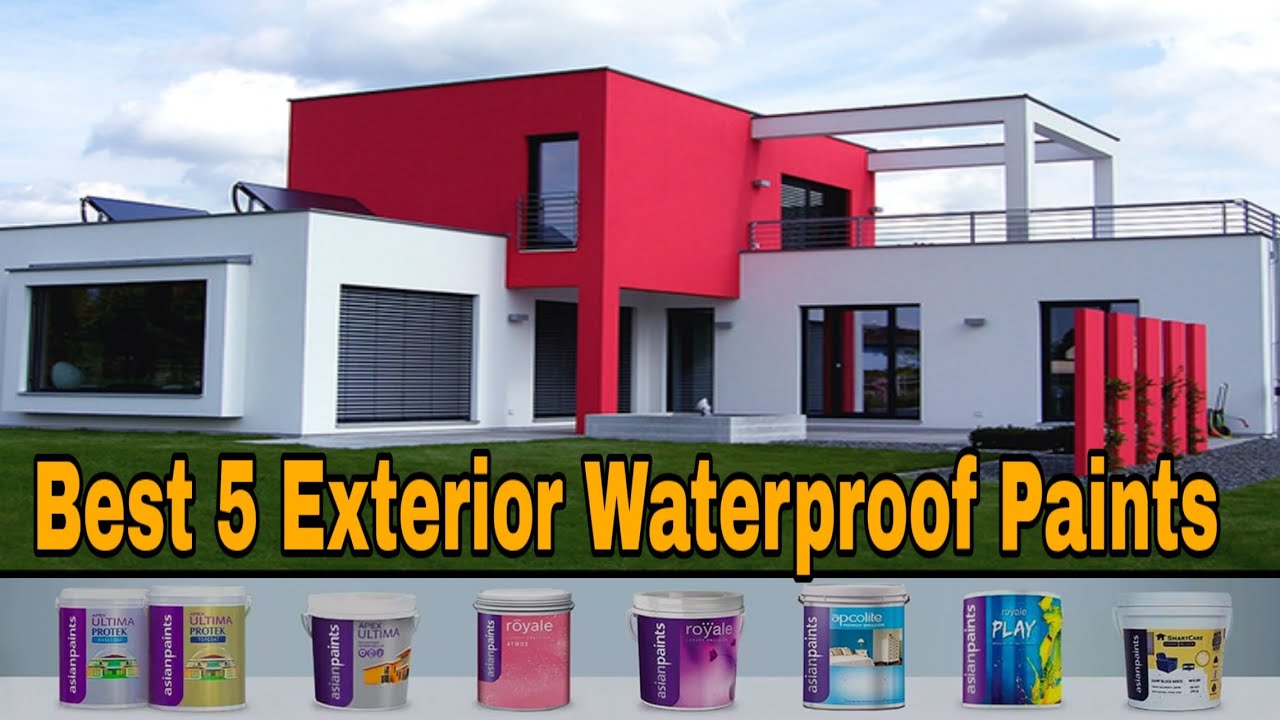
When it comes to protecting your home's exterior from the elements, choosing the right waterproof paint is crucial. There are different types of waterproof exterior paint available in the market, each with its own unique features and benefits.
Oil-based Waterproof Paint
- Oil-based waterproof paint is known for its durability and resistance to extreme weather conditions.
- It provides a smooth finish and is great for covering imperfections on the surface.
- However, oil-based paints tend to take longer to dry and have a strong odor during application.
- They are also more prone to yellowing over time compared to latex-based paints.
Latex-based Waterproof Paint
- Latex-based waterproof paint is easier to clean up with soap and water, making it more convenient for DIY projects.
- It dries faster than oil-based paints and has a lower odor, making it a popular choice for indoor and outdoor use.
- Latex-based paints are also more flexible and resistant to cracking and peeling.
- However, they may not be as durable as oil-based paints in extreme weather conditions.
Application and Preparation
When it comes to applying waterproof exterior paint, proper preparation is key to ensuring a long-lasting finish that protects your home from the elements. Here are the essential steps and tips for preparing the surface and applying waterproof paint effectively.
Surface Preparation
Before you start applying waterproof paint to your home's exterior, it is crucial to prepare the surface properly. Here are the steps you should follow:
- Clean the surface thoroughly to remove any dirt, dust, or grime that could affect the adhesion of the paint.
- Repair any cracks, holes, or damage to the surface using a suitable filler or patching compound.
- Sand the surface to create a smooth and even texture, ensuring better paint adhesion.
- Prime the surface with a high-quality primer to seal and protect it before applying the waterproof paint.
Tools and Equipment
To apply waterproof exterior paint effectively, you will need the following tools and equipment:
- Paintbrushes or rollers for applying the paint evenly.
- A pressure washer or hose for cleaning the surface before painting.
- Sandpaper or a sander for smoothing out rough areas on the surface.
- A ladder or scaffolding to reach high or difficult-to-access areas.
- Protective gear such as gloves, goggles, and a mask to ensure safety while working with paint and chemicals.
Tips for Application
To ensure a smooth and even application of waterproof paint, consider the following tips:
- Apply the paint in thin, even coats to prevent drips or runs.
- Work in small sections to maintain a wet edge and avoid visible seams or lines.
- Follow the manufacturer's instructions for drying times and recoating to achieve the best results.
- Avoid painting in direct sunlight or extreme temperatures to prevent the paint from drying too quickly or not adhering properly.
Maintenance and Longevity
Regular maintenance plays a crucial role in extending the life of waterproof exterior paint. By following a proper maintenance schedule, homeowners can preserve the effectiveness of the waterproof paint and ensure the longevity of their home's exterior.
Maintenance Schedule
- Inspect the exterior paint annually for any signs of wear, peeling, or damage.
- Clean the painted surfaces with a mild detergent and water at least once a year to remove dirt and grime.
- Touch up any areas where the paint is chipped or peeling to prevent water penetration.
- Trim back vegetation near the house to prevent it from rubbing against the paint and causing damage.
- Check for any gaps or cracks in the caulk around windows, doors, and other openings, and reseal as needed.
Cost Savings and Longevity
Investing in waterproof exterior paint not only protects your home from moisture damage but also saves you money in the long run. By maintaining the paint and ensuring its longevity, you can avoid costly repairs and replacements due to water damage.
The initial investment in quality waterproof paint pays off by extending the life of your home's exterior and preserving its aesthetic appeal.
FAQ Guide
What are the benefits of using waterproof exterior paint?
Waterproof exterior paint provides a protective barrier against moisture, UV rays, and other damaging elements, extending the lifespan of your home's exterior.
How often should waterproof exterior paint be maintained?
Regular maintenance is recommended to ensure the effectiveness of waterproof paint. A yearly inspection and touch-ups as needed can help preserve its integrity.
Can I apply waterproof paint on any surface of my home's exterior?
It's important to prepare the surface properly before applying waterproof paint. Consult with a professional to determine the suitability of the surface for waterproof paint application.