Understanding Flood-Prone Geographic Areas
Flood-prone geographic areas are regions that are susceptible to flooding due to various factors such as heavy rainfall, coastal storms, or proximity to rivers and lakes. These areas often experience recurrent flooding events, posing a risk to buildings and infrastructure.
Characteristics of Flood-Prone Geographic Areas
- Low-lying terrain: Flood-prone areas are typically located in low-lying regions where water can easily accumulate during heavy rainfall.
- Proximity to water bodies: These areas are often situated near rivers, lakes, or coastal areas, increasing the likelihood of flooding during storms or high tides.
- Urban development: Rapid urbanization in flood-prone regions can exacerbate flooding due to increased impervious surfaces that prevent water from being absorbed into the ground.
Challenges Faced by Buildings in Flood-Prone Areas
- Structural damage: Buildings in flood-prone areas are at risk of structural damage from prolonged exposure to water, leading to deterioration and weakening of foundations.
- Mold and mildew growth: Flooding can create a damp environment within buildings, promoting the growth of mold and mildew which can pose health risks to occupants.
- Loss of belongings: Floodwaters can cause significant damage to personal belongings, furniture, and appliances inside buildings, resulting in financial losses for property owners.
Importance of Using Waterproof Exterior Paint Solutions
Using waterproof exterior paint solutions in flood-prone areas is crucial to protect buildings from water infiltration and damage. Waterproof paints create a barrier against moisture, preventing water from seeping into walls and causing structural issues. By investing in waterproofing solutions, property owners can enhance the resilience of their buildings and reduce the risk of flood-related damages.
Types of Waterproof Exterior Paint Solutions
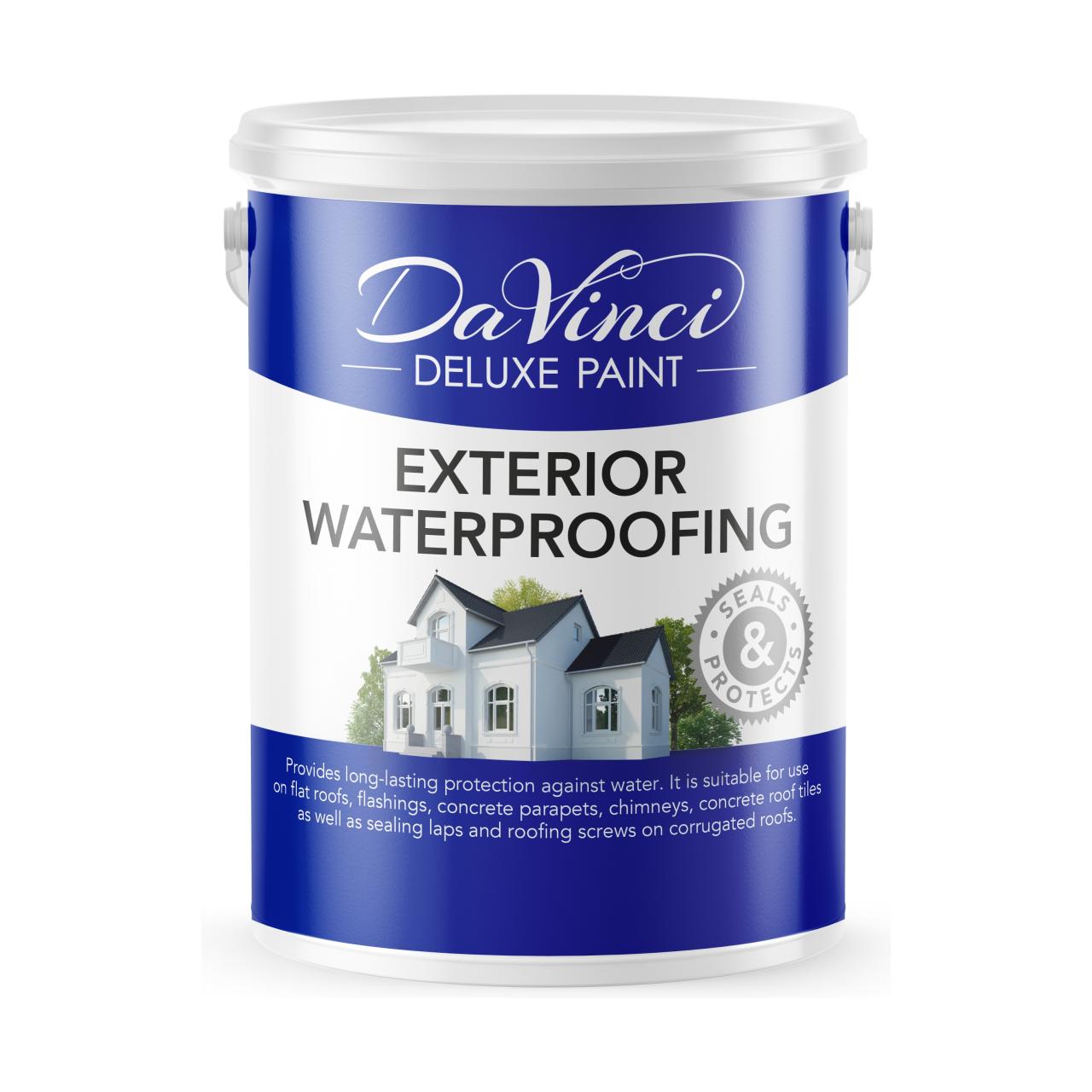
When it comes to protecting exterior surfaces in flood-prone areas, choosing the right waterproof paint is crucial. Here are some common types of waterproof exterior paint solutions:
Oil-based vs. Latex-based Waterproof Paints
Oil-based waterproof paints have been traditionally used for their durability and water resistance. They are suitable for areas with high moisture levels and provide a tough protective layer. On the other hand, latex-based waterproof paints are easier to clean up, have lower VOC emissions, and offer flexibility over different surfaces.
However, they may not be as durable as oil-based paints in extreme weather conditions.
Elastomeric Paint for Exterior Surfaces
Elastomeric paint is a popular choice for exterior surfaces in flood-prone regions due to its elasticity and ability to stretch with the surface. This type of paint forms a waterproof barrier that can withstand water intrusion and resist cracking caused by fluctuating temperatures.
Elastomeric paint is ideal for areas that are prone to flooding as it provides superior protection against moisture damage.
Application and Preparation
When it comes to waterproofing exterior surfaces in flood-prone areas, proper preparation and application are key to ensuring a durable and effective solution.
Surface Preparation
- Clean the surface thoroughly to remove any dirt, debris, or loose paint. A power washer can be used for this step.
- Repair any cracks or damage in the surface using a suitable filler or sealant.
- Prime the surface with a waterproof primer to enhance adhesion and durability of the paint.
- Tape off or cover any areas that should not be painted, such as windows, doors, or trim.
Application Process
- Stir the waterproof exterior paint thoroughly before use to ensure proper consistency.
- Apply the paint using a high-quality brush, roller, or sprayer, following the manufacturer's instructions for the specific product.
- Apply multiple thin coats rather than one thick coat for better coverage and durability.
- Allow each coat to dry completely before applying the next one.
- Pay special attention to areas that are prone to water damage, such as around windows, doors, and foundations.
Ideal Weather Conditions
- Avoid painting in extreme temperatures, high humidity, or rainy conditions, as this can affect the drying and curing process of the paint.
- Optimal weather conditions for applying waterproof paint include temperatures between 50-90°F and humidity levels below 85%.
- Choose a day with mild temperatures and low humidity for the best results, ensuring the paint has enough time to dry properly.
Maintenance and Longevity

Maintaining the waterproof coating on your exterior surfaces is crucial to ensure long-lasting protection against floods and water damage. By following proper maintenance practices and understanding the longevity of different types of waterproof exterior paints, you can effectively protect your property in flood-prone areas.
Tips for Maintaining Waterproof Coating
- Regularly inspect the painted surfaces for any signs of wear, peeling, or damage.
- Clean the exterior walls with mild detergent and water to remove dirt and debris that can compromise the waterproof coating.
- Address any cracks or gaps in the paint immediately to prevent water intrusion.
- Reapply a fresh coat of waterproof paint as needed to maintain the protective barrier.
Longevity of Different Types of Waterproof Exterior Paints
- Acrylic-based waterproof paints typically last 5-7 years before needing a recoat.
- Elastomeric waterproof coatings can have a longer lifespan of 10-15 years, providing durable protection against water damage.
- Silicone sealants are known for their exceptional longevity, lasting up to 20 years or more in flood-prone regions.
Recommendations for Reapplying Waterproof Paint
- Monitor the condition of the waterproof coating annually, especially after heavy rain or flooding events.
- If you notice any areas where the paint is peeling or showing signs of wear, schedule a recoating as soon as possible.
- In flood-prone regions, consider reapplying waterproof paint every 5-7 years for acrylic-based paints, 10-15 years for elastomeric coatings, and 20 years for silicone sealants to maintain optimal protection.
Top FAQs
What are the key characteristics of flood-prone geographic areas?
Flood-prone areas are typically low-lying regions near water bodies or areas with poor drainage systems, making them susceptible to flooding during heavy rainfall or storms.
How often should waterproof exterior paint be reapplied in flood-prone regions?
It is recommended to reapply waterproof exterior paint every 5-7 years in flood-prone areas to ensure continued protection against water damage.
What are the benefits of using elastomeric paint for exterior surfaces in flood-prone regions?
Elastomeric paint offers superior flexibility and durability, allowing it to withstand the expansion and contraction of building materials during extreme weather conditions, making it ideal for flood-prone areas.
What are the ideal weather conditions for applying waterproof paint in flood-prone areas?
It is best to apply waterproof paint on a dry day with low humidity and moderate temperatures to ensure proper adhesion and drying of the paint on exterior surfaces in flood-prone regions.
How can the longevity of waterproof exterior paints be extended?
Regular cleaning, inspections, and timely touch-ups can help prolong the lifespan of waterproof exterior paints, ensuring continued protection against water infiltration and damage.