Vinyl Fencing Features
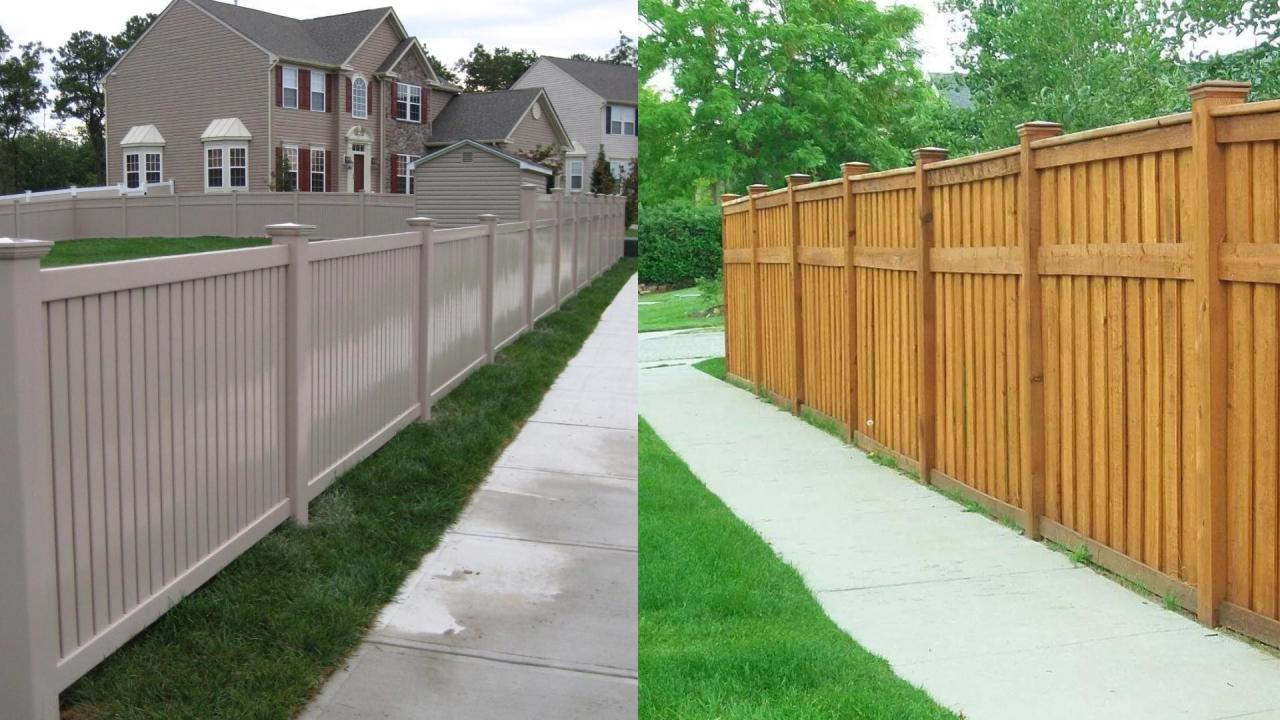
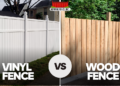
Vinyl fencing offers a range of features that make it a popular choice for urban small spaces. Not only does it provide a clean and modern look, but it also boasts several advantages over traditional wood fencing options.
Durability
Vinyl fencing is known for its durability, outlasting wood fencing in various conditions. Vinyl does not rot, warp, or splinter like wood, making it an excellent long-term investment for urban areas where space is limited. Additionally, vinyl fencing is resistant to pests, moisture, and extreme weather conditions, ensuring it maintains its pristine appearance for years to come.
Maintenance Requirements
Compared to wood fencing, vinyl requires minimal maintenance. Unlike wood, vinyl fencing does not need to be stained, painted, or sealed regularly. A simple cleaning with soap and water is typically all that is needed to keep vinyl fencing looking like new.
This low-maintenance feature makes vinyl fencing a convenient option for busy urban dwellers who may not have the time for extensive upkeep.
Wood Fencing Characteristics
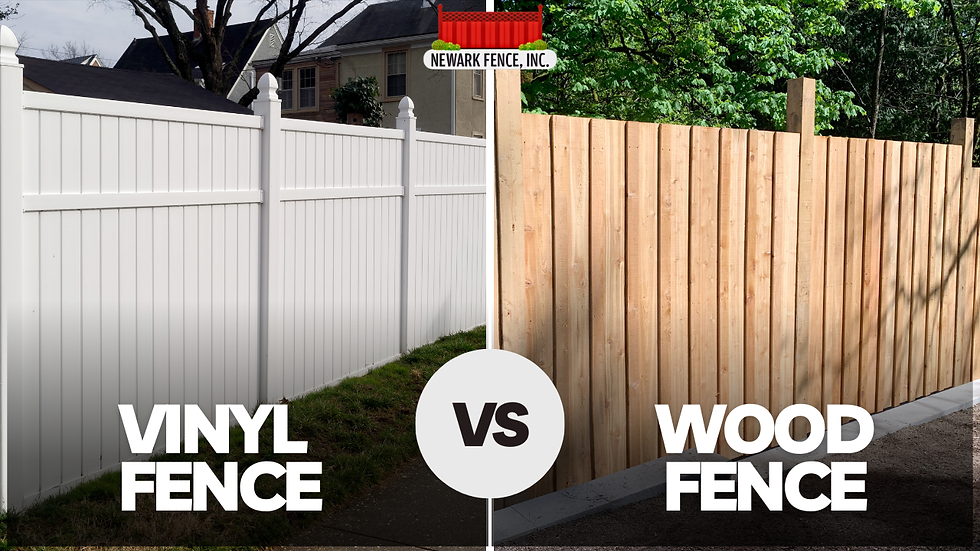
Wood fencing has a timeless and traditional appeal that adds charm and warmth to any urban small space. The natural beauty of wood can blend seamlessly with various architectural styles, making it a popular choice for homeowners looking to enhance their outdoor aesthetics.
Types of Wood for Fencing
- Cedar: Known for its durability and resistance to rot and insects, cedar is a popular choice for wood fencing. It has a rich color that can be left natural or stained to match the surroundings.
- Pine: A more affordable option, pine is versatile and easy to work with. However, it may require more maintenance to prevent decay and warping.
- Spruce: Offering a clean and uniform appearance, spruce is a budget-friendly option for wood fencing. It can be painted or stained to achieve the desired look.
Environmental Impact
Wood fencing, while biodegradable and renewable, raises concerns about deforestation and the depletion of natural resources. In small urban spaces, where greenery is limited, opting for wood fencing may contribute to further environmental strain. However, choosing sustainably sourced wood and implementing proper maintenance can help mitigate the impact on the environment.
Suitability for Urban Small Spaces
Vinyl fencing offers several space-saving benefits that make it a suitable choice for urban small spaces. The slim profile of vinyl fencing allows for maximum use of limited space without compromising on durability or aesthetics. Additionally, vinyl fencing is easy to customize and can be tailored to fit the specific dimensions of small urban yards or properties.
Space-saving Benefits of Vinyl Fencing
- Vinyl fencing requires minimal maintenance, making it ideal for small urban spaces where time and space for upkeep may be limited.
- The sleek design of vinyl fencing creates a modern and clean look that can visually expand the space in compact urban settings.
- With a variety of styles and colors available, vinyl fencing can complement the overall design and feel of urban environments while maximizing space utilization.
Aesthetic Appeal of Wood Fencing in Urban Settings
Wood fencing, on the other hand, offers a timeless and natural look that can enhance the charm of small urban spaces. The warm and inviting feel of wood fencing can add character to urban areas, creating a cozy and welcoming atmosphere.
In compact settings, wood fencing can provide a sense of privacy and seclusion without feeling closed off or restrictive.
Installation Process of Vinyl Fencing in Small Spaces
- Due to its lightweight nature, vinyl fencing is easier to handle and install in small urban spaces compared to heavy wood fencing materials.
- The flexibility of vinyl fencing allows for easy customization to fit irregular or tight spaces, ensuring a seamless and precise installation process.
- With interlocking panels and straightforward installation techniques, vinyl fencing can be quickly and efficiently set up in small urban yards or properties, minimizing disruption and maximizing space utilization.
Cost and Long-Term Value
When it comes to choosing between vinyl fencing and wood fencing for urban small spaces, considering the cost and long-term value is crucial. Let's delve into the financial aspects of both options.
Initial Cost Comparison
- Vinyl fencing typically has a higher upfront cost compared to wood fencing. The materials used in vinyl fencing are often more expensive, leading to a higher initial investment.
- Wood fencing, on the other hand, is usually more affordable initially due to the lower cost of wood materials.
- It's important to consider your budget and the aesthetic appeal you desire when deciding between the two options.
Long-Term Value and ROI
- While vinyl fencing may have a higher initial cost, it often provides better long-term value and return on investment. Vinyl fences are known for their durability and resistance to elements, leading to lower maintenance costs over time.
- Wood fencing, although initially cheaper, may require more maintenance and upkeep, such as painting, staining, and repairs. This can add up in terms of costs and time spent on maintenance.
- Considering the longevity and durability of vinyl fencing, it may offer a better return on investment in the long run, especially in urban areas where maintenance can be challenging.
Cost-Effectiveness of Maintenance
- Vinyl fencing is relatively low maintenance, requiring occasional cleaning with water and mild soap. This can result in lower long-term maintenance costs compared to wood fencing.
- Wood fencing, on the other hand, may need regular maintenance such as painting, staining, and repairs to prevent decay and damage from weather conditions. These maintenance tasks can incur additional costs over time.
- Considering the cost-effectiveness of maintenance, vinyl fencing may be a more practical choice for urban small spaces where time and resources for maintenance are limited.
Quick FAQs
What are the key features of vinyl fencing?
Vinyl fencing is known for its durability, resistance to rot and decay, low maintenance requirements, and versatility in design options.
What types of wood are commonly used for fencing?
Common wood types used for fencing include cedar, pine, redwood, and spruce, each offering unique characteristics in terms of durability and appearance.
Which fencing option is more cost-effective in the long run, vinyl or wood?
While vinyl fencing has a higher initial cost, it requires minimal maintenance over time, making it a cost-effective choice in the long run compared to wood fencing that may require regular upkeep.