Preparation before Painting
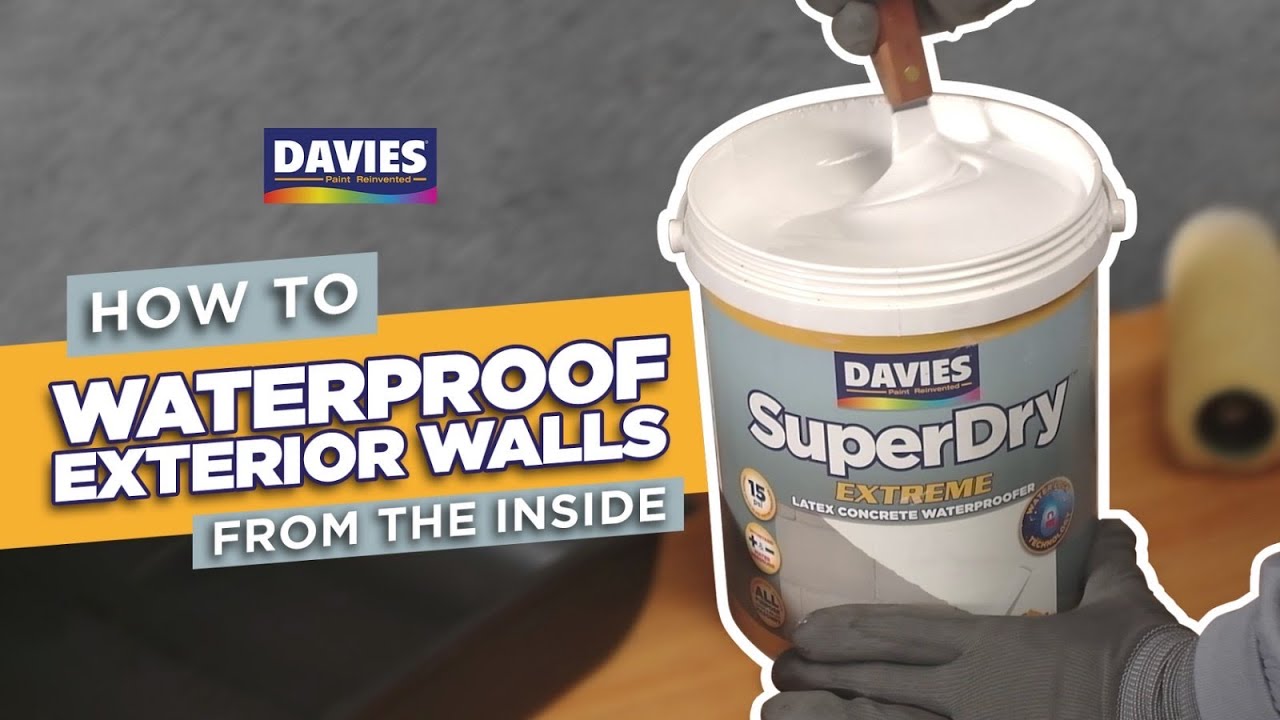
Before applying waterproof paint to the exterior surface, it is crucial to properly prepare the area to ensure a successful and long-lasting finish. Proper surface preparation not only enhances the adhesion of the paint but also helps in achieving a smooth and professional-looking result.
Here are the essential steps to prepare the exterior surface before painting:
Cleaning the Surface
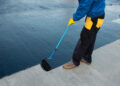
- Start by thoroughly cleaning the surface to remove dirt, dust, grease, and any other contaminants that may affect the adhesion of the paint.
- Use a pressure washer or a scrub brush with a mixture of water and mild detergent to clean the surface effectively.
- Rinse the surface thoroughly and allow it to dry completely before proceeding to the next step.
Repairing Damaged Areas
- Inspect the surface for any cracks, holes, or other imperfections that need to be repaired before painting.
- Fill in any cracks or holes with a suitable filler and smooth out the surface for a seamless finish.
- Allow the filler to dry completely and sand it down to create a smooth surface for painting.
Priming the Surface
- Apply a primer specifically designed for exterior surfaces to enhance the adhesion of the waterproof paint and improve its durability.
- Choose a primer that is compatible with the type of paint you will be using and follow the manufacturer's instructions for application.
- Allow the primer to dry completely before applying the waterproof paint to ensure a strong bond between the surface and the paint.
Materials and Tools Needed
- Pressure washer or scrub brush
- Mild detergent
- Filler for repairs
- Sandpaper
- Primer suitable for exterior surfaces
Choosing the Right Waterproof Paint
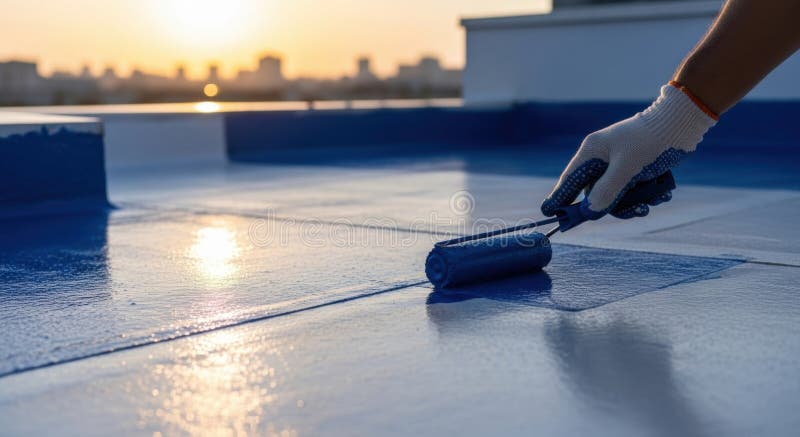
When it comes to selecting the right waterproof paint for your exterior surfaces, it's essential to consider various factors to ensure the best results. From different types of waterproof paint available to tips on choosing the most suitable one for your climate, here's everything you need to know.
Different Types of Waterproof Exterior Paint Solutions
- Acrylic Waterproof Paint: Known for its flexibility and durability, acrylic waterproof paint is a popular choice for exterior surfaces. It provides excellent adhesion and resistance to harsh weather conditions.
- Elastomeric Waterproof Paint: Ideal for areas prone to cracking and peeling, elastomeric waterproof paint forms a flexible waterproof membrane that can expand and contract with temperature changes.
- Silicone Waterproof Paint: Offering superior water resistance, silicone waterproof paint is highly durable and resistant to mold and mildew growth. It provides a long-lasting waterproofing solution for exterior walls.
Comparing Paint Brands for Durability and Waterproofing Capabilities
- Brand A: Known for its high durability and excellent waterproofing capabilities, Brand A offers a wide range of colors and finishes to choose from.
- Brand B: While slightly more expensive, Brand B is renowned for its superior waterproofing properties and long-lasting protection against moisture infiltration.
- Brand C: With a focus on eco-friendly formulas, Brand C provides waterproof paint options that are both durable and environmentally conscious.
Tips for Selecting the Most Suitable Waterproof Paint for Different Climates
- For humid climates: Choose a waterproof paint with mold and mildew resistance to prevent growth in moist environments.
- For dry climates: Opt for a paint with UV protection to shield against sun damage and fading caused by prolonged exposure to sunlight.
- For coastal areas: Consider a salt-resistant waterproof paint to protect exterior surfaces from the corrosive effects of saltwater and sea air.
Application Techniques
When it comes to applying waterproof exterior paint, using the right techniques is crucial to ensure a professional and long-lasting finish. Whether you are using brushes, rollers, or spray guns, following correct methods can make a significant difference in the outcome of your painting project.
Here, we will discuss professional techniques for applying waterproof exterior paint effectively and achieving a smooth and even finish on exterior surfaces.
Brush Application
- Start by cutting in the edges with a brush before using a roller for larger areas.
- Use high-quality brushes with synthetic bristles for better paint application.
- Apply paint in long, even strokes to prevent brush marks on the surface.
- Work in small sections at a time to ensure proper coverage and avoid drying lines.
- Clean brushes thoroughly after each use to maintain their quality and prolong their lifespan.
Roller Application
- Choose the right nap roller cover for the type of surface you are painting.
- Load the roller evenly with paint and roll in a W pattern to distribute the paint evenly.
- Avoid pressing too hard on the roller to prevent excess paint buildup and roller marks.
- Overlap each pass slightly to blend the paint and create a seamless finish.
- Clean the roller cover thoroughly after each use to ensure smooth application in the future.
Spray Gun Application
- Adjust the spray gun settings according to the paint manufacturer's instructions for optimal application.
- Hold the spray gun at the correct distance from the surface to achieve consistent coverage.
- Maintain a steady hand and keep the spray gun moving to prevent drips or uneven application.
- Overlap each pass slightly to ensure complete coverage and avoid patchy areas.
- Clean the spray gun thoroughly after each use to prevent clogs and ensure proper function.
Weather Considerations
Weather conditions play a crucial role in the successful application of waterproof exterior paint. It is essential to consider factors such as temperature, humidity levels, and precipitation to ensure the paint adheres properly and provides long-lasting protection to the surface.
Impact of Weather Conditions
- High temperatures can cause the paint to dry too quickly, leading to poor adhesion and finish.
- Low temperatures, on the other hand, can prevent the paint from curing properly, resulting in cracking and peeling.
- Excessive humidity can extend the drying time of the paint and create a conducive environment for mold and mildew growth.
- Painting during rainy or windy conditions should be avoided as it can affect the application process and compromise the paint's durability.
Guidance on Painting During Different Seasons
- Spring and fall are usually the ideal seasons for painting, as they offer moderate temperatures and humidity levels.
- Avoid painting during extreme heat in the summer or freezing temperatures in the winter to ensure optimal paint performance.
Temperature and Humidity Levels
- Optimal temperature range for painting is typically between 50°F and 85°F, ensuring proper drying and curing of the paint.
- Humidity levels should ideally be between 40% and 70% to prevent issues like blistering, wrinkling, or poor adhesion.
- Consider using a dehumidifier or heater to regulate temperature and humidity levels in the painting area for best results.
Maintenance and Longevity
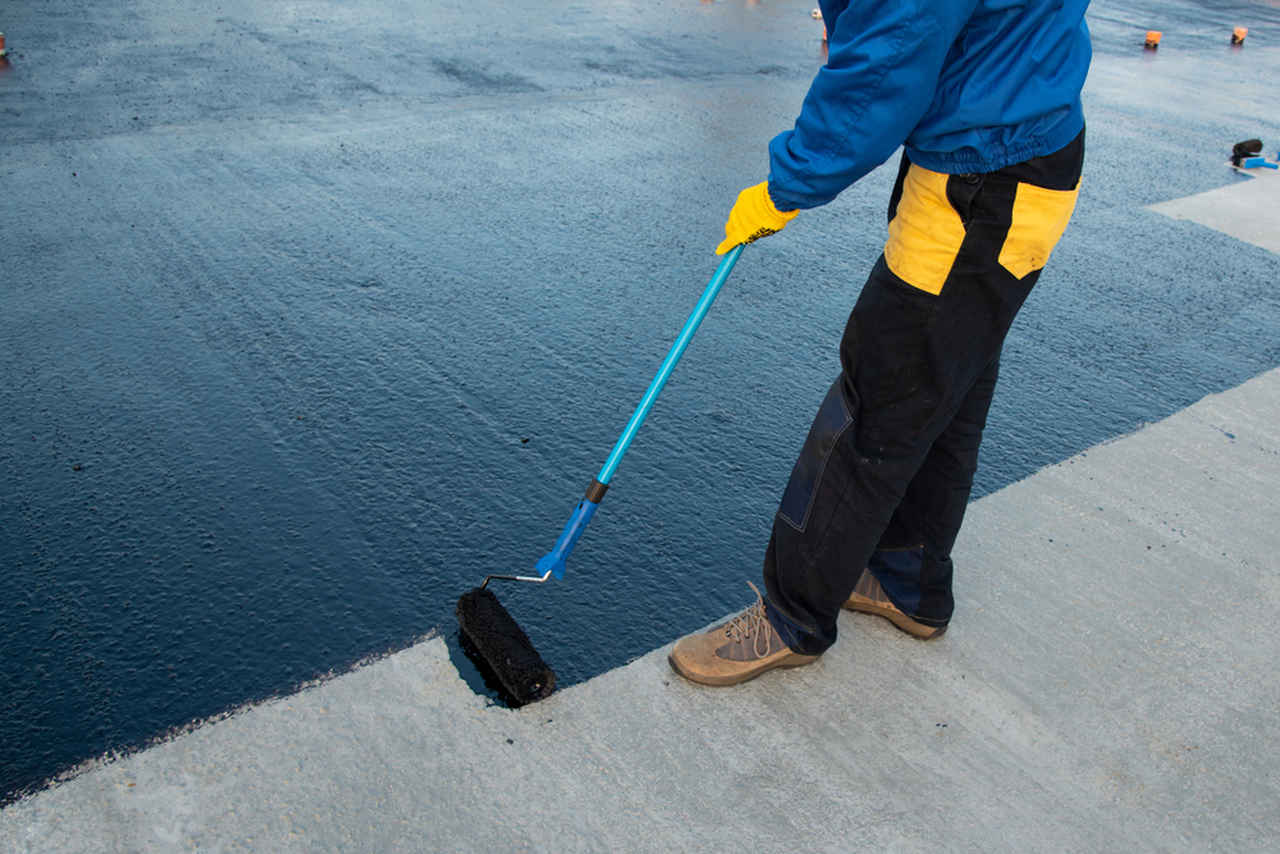
Proper maintenance is crucial to extending the life of waterproof exterior paint. By following a few simple practices, you can ensure that your paint job remains effective for years to come.
Inspecting Painted Surfaces
Regularly inspecting painted surfaces is key to identifying signs of wear and damage early on. Look out for peeling, cracking, fading, or any areas where the paint has started to bubble. Addressing these issues promptly can prevent further damage and maintain the integrity of the waterproofing.
- Use a ladder to inspect hard-to-reach areas, such as eaves and corners, to catch any damage early.
- Look for any areas where water may be pooling or seeping behind the paint, as this can indicate a larger issue.
- Check for any mold or mildew growth, which can be a sign of water infiltration and compromise the paint's effectiveness.
Reapplying Waterproof Paint
Knowing when to reapply waterproof paint is essential to ensure continued protection against the elements. While the lifespan of waterproof paint can vary depending on the quality of the product and weather conditions, there are some general tips to keep in mind.
- Consider reapplying waterproof paint every 5-7 years for optimal protection, or sooner if you notice signs of wear or damage.
- Monitor the condition of the paint regularly and schedule maintenance as needed to prevent water damage.
- Choose a high-quality waterproof paint and follow the manufacturer's recommendations for reapplication to maximize longevity.
Question Bank
What are the essential steps to prepare the exterior surface before applying waterproof paint?
Some essential steps include cleaning the surface, repairing any damage, removing old paint, and priming the surface for better adhesion of the waterproof paint.
How do weather conditions impact the application of waterproof exterior paint?
Weather conditions like temperature and humidity levels can affect the drying process of the paint, potentially leading to uneven finishes or poor adhesion. It's essential to paint during optimal weather conditions for the best results.
When should you reapply waterproof paint for continued protection?
It's recommended to reapply waterproof paint every few years or when you notice signs of wear or damage on the painted surfaces. Regular maintenance and inspection can help determine the right timing for reapplication.