Introduction to Waterproof Exterior Paints
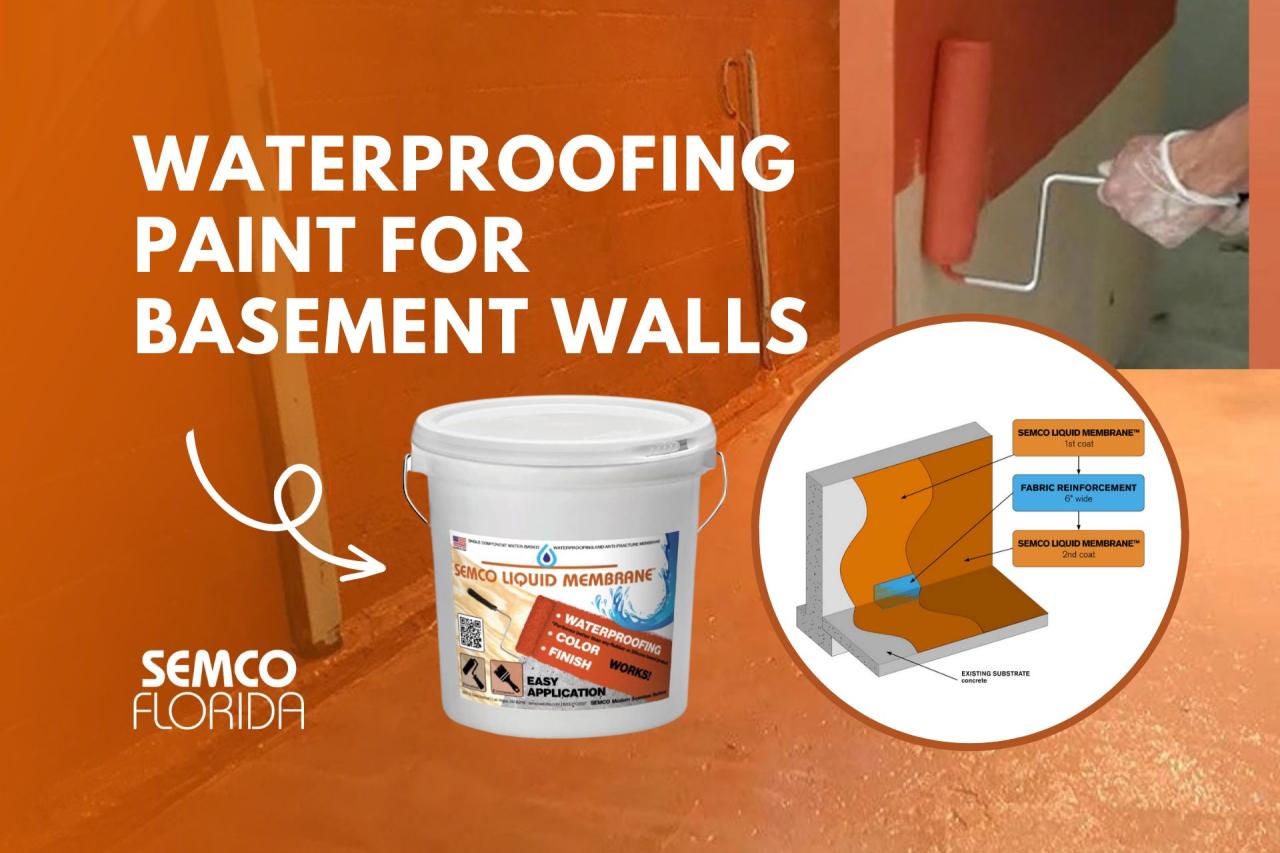
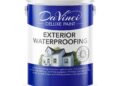
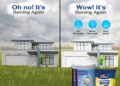
Waterproof exterior paints are specially formulated coatings designed to protect exterior surfaces from moisture, rain, UV rays, and other environmental factors that can cause damage over time.
It is essential to use waterproof paint on exterior surfaces to prevent water infiltration, which can lead to mold growth, rotting, and structural damage. Waterproof paints help maintain the integrity of the surface and prolong its lifespan.
Differences between Breathable and Non-Breathable Formulations
When it comes to waterproof exterior paints, there are two main types of formulations: breathable and non-breathable. Each type has its own set of advantages and considerations.
- Breathable Formulations:These paints allow moisture vapor to escape from the surface while keeping liquid water out. This helps prevent trapped moisture, which can lead to blistering and peeling. Breathable formulations are ideal for areas with high humidity levels.
- Non-Breathable Formulations:Non-breathable paints create a barrier that does not allow moisture to pass through. While they provide excellent waterproofing properties, they can also trap moisture within the surface, potentially causing issues over time. Non-breathable formulations are typically used in drier climates.
Breathable Waterproof Exterior Paints
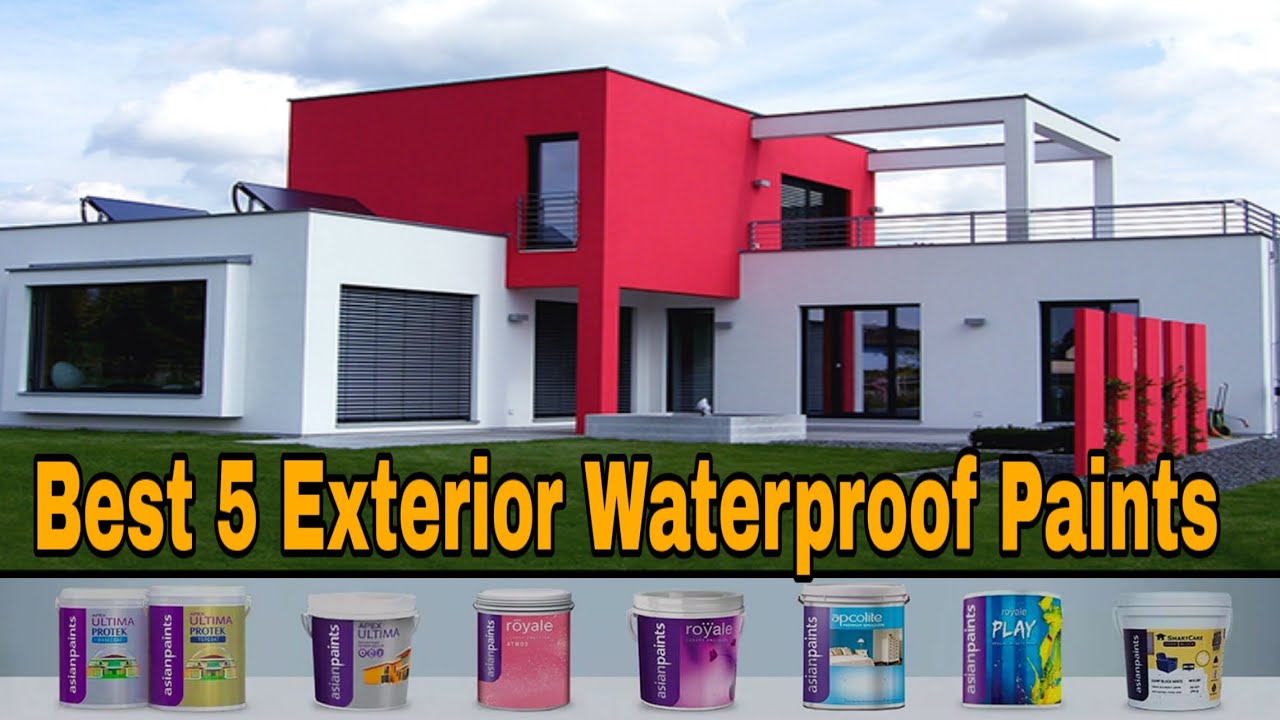
When it comes to waterproof exterior paints, breathable formulations play a crucial role in ensuring the longevity and effectiveness of the paint job. These types of paints allow moisture vapor to pass through the paint film, preventing issues such as blistering, peeling, and mold growth.
How Breathable Formulations Work
Breathable waterproof exterior paints typically contain specialized materials or technologies that create a semi-permeable membrane. This membrane allows water vapor to escape from the substrate while preventing liquid water from penetrating the surface. Examples of materials used in breathable paints include microporous additives, acrylic resins, and silicones.
Benefits of Using Breathable Exterior Paints
- Prevents trapped moisture: Breathable paints allow moisture vapor to escape, preventing it from becoming trapped beneath the paint film and causing damage to the substrate.
- Reduced blistering and peeling: By allowing the substrate to breathe, breathable paints reduce the likelihood of blistering, peeling, and other issues caused by moisture buildup.
- Mold and mildew resistance: The ability of breathable paints to let moisture escape helps prevent mold and mildew growth, which can be a common problem in damp environments.
- Long-lasting protection: With their ability to maintain a breathable barrier, these paints provide long-lasting protection for exterior surfaces, extending the life of the paint job.
Non-Breathable Waterproof Exterior Paints
Non-breathable waterproof exterior paints are formulated with ingredients that create a solid barrier on the surface, preventing moisture from penetrating through. These formulations typically consist of acrylics, alkyds, or oil-based compounds that form a tight seal once dried.In scenarios where moisture infiltration is a major concern, non-breathable waterproof paints are preferred.
For example, in areas with heavy rainfall or high humidity levels, such paints can provide excellent protection against water damage and mold growth
They create a strong barrier that can withstand harsh weather conditions, UV exposure, and abrasion. In comparison to breathable alternatives, non-breathable paints tend to provide a more robust and impermeable shield against moisture intrusion.
Composition of Non-Breathable Formulations
Non-breathable waterproof paints typically contain synthetic resins and additives that form a solid film on the surface. These formulations are designed to create a watertight seal that prevents water molecules from passing through. The ingredients used in non-breathable paints are carefully selected to ensure maximum water resistance and durability.
- Acrylics, alkyds, or oil-based compounds
- Synthetic resins
- Additives for enhanced durability
Considerations for Choosing Between Breathable and Non-Breathable Paints
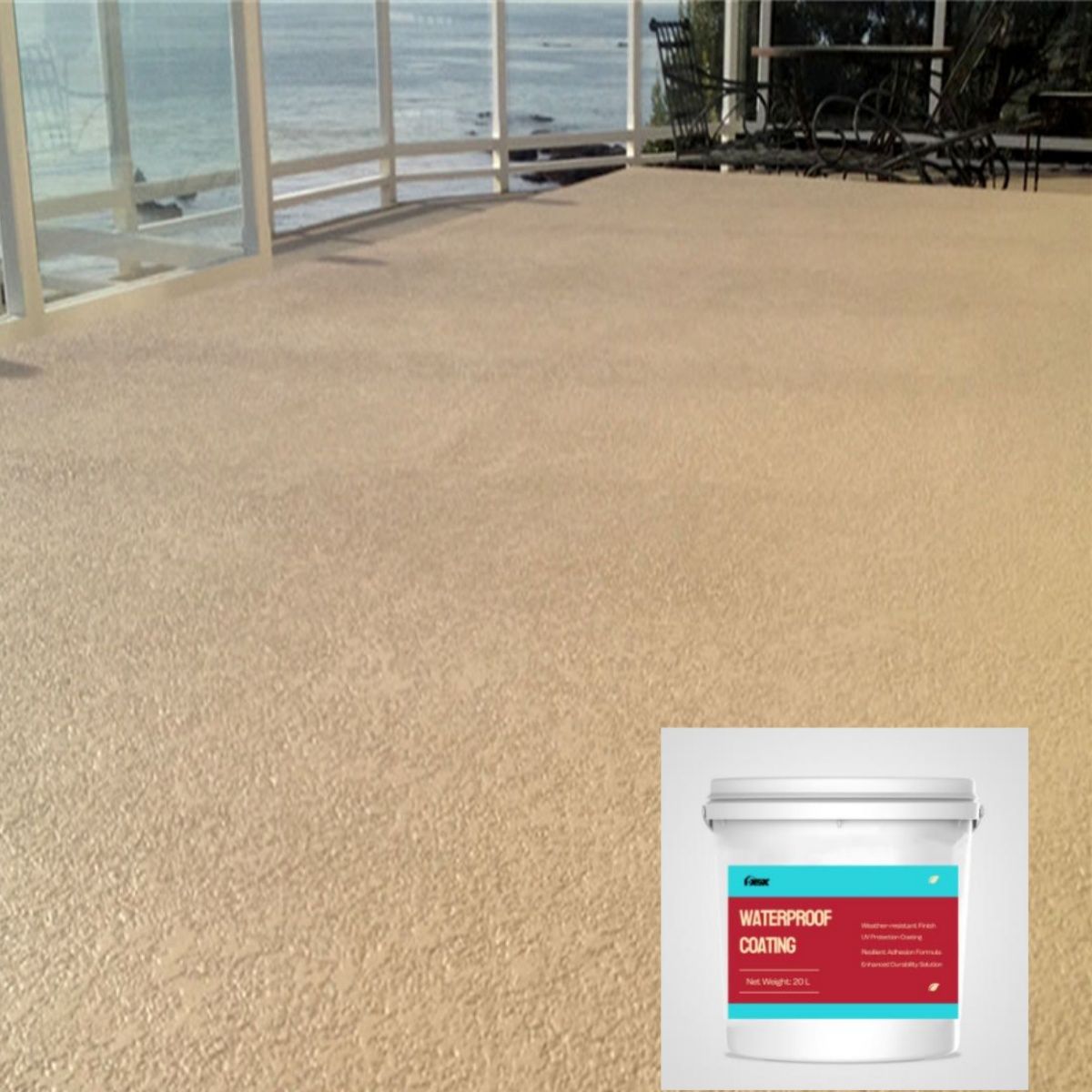
When deciding between breathable and non-breathable exterior paints, several factors come into play to ensure the longevity and effectiveness of the paint job. Understanding these considerations will help you make an informed decision based on your specific needs and the climate conditions of your area.
Factors to Consider When Selecting the Appropriate Paint Formulation
- Surface Material: Different surfaces may require different types of paint formulations for optimal adhesion and durability.
- Moisture Levels: Consider the moisture levels in the area where the paint will be applied and choose a formulation that can withstand these conditions.
- Climate: The climate of your region can impact the performance of the paint, so choose a formulation that is suitable for the local weather patterns.
- Longevity: Determine how long you want the paint job to last and select a formulation that aligns with your durability expectations.
Climate Considerations Influencing the Choice Between Breathable and Non-Breathable Paints
- Humidity Levels: In humid climates, breathable paints can help prevent moisture buildup and potential mold growth behind the paint layer.
- Temperature Fluctuations: Non-breathable paints may be more suitable for areas with extreme temperature changes to provide a protective barrier against the elements.
Tips for Ensuring Proper Application and Maintenance of Each Type of Paint
- Preparation: Properly prepare the surface before painting to ensure optimal adhesion and longevity of the paint job.
- Application: Follow the manufacturer's instructions for application to achieve the best results with either breathable or non-breathable paints.
- Maintenance: Regularly inspect the painted surface for any signs of wear or damage and address them promptly to prolong the life of the paint job.
Frequently Asked Questions
What are the benefits of using breathable exterior paints?
Breathable exterior paints allow moisture to escape, preventing issues like mold and mildew.
When are non-breathable waterproof paints preferred?
Non-breathable paints are preferred in areas where moisture is not a concern, such as in arid climates.