Importance of Preventing Structural Decay
Preventing structural decay is crucial for maintaining the longevity and integrity of buildings. Without proper maintenance and protection, structural decay can lead to a host of issues that compromise the safety and stability of the building.
Consequences of Structural Decay
- 1. Weakening of structural components: Structural decay can weaken essential elements of a building, such as beams, columns, and foundations, leading to potential collapse or failure.
- 2. Mold and mildew growth: Moisture infiltration due to decay can create an ideal environment for mold and mildew growth, posing health risks to occupants and further deteriorating the building.
- 3. Decreased energy efficiency: Gaps and cracks resulting from structural decay can allow air leakage, reducing the building's energy efficiency and increasing utility costs.
Role of Exterior Paint Solutions
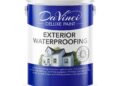
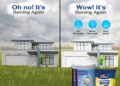
High-performance waterproof exterior paint solutions play a vital role in preventing structural decay by providing a protective barrier against moisture, UV rays, and other environmental factors. By sealing the exterior surfaces of the building, these paint solutions help prevent water infiltration and damage, thus extending the lifespan of the structure.
Understanding High-Performance Waterproof Exterior Paint
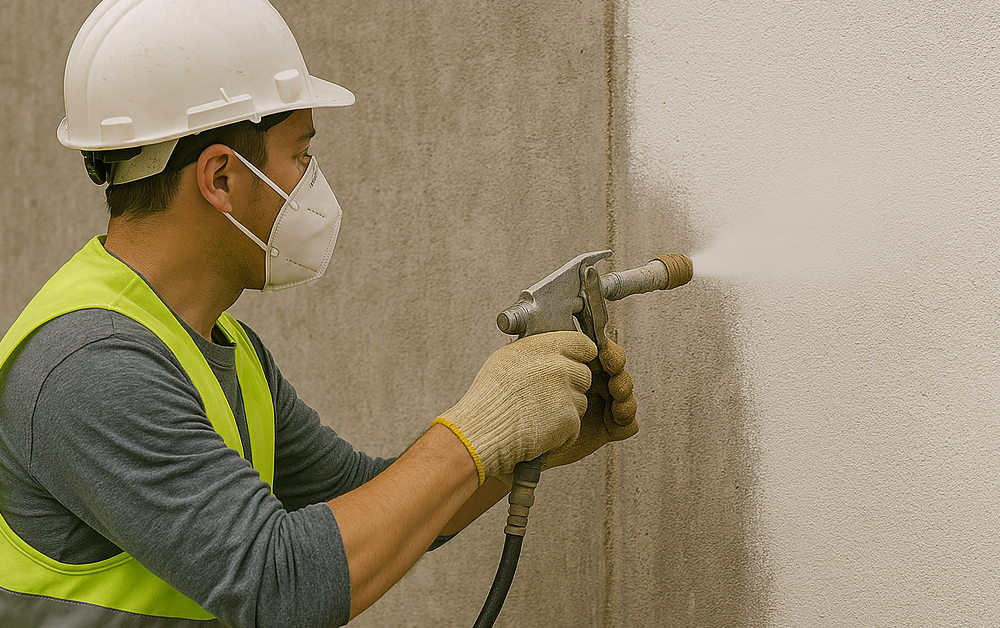
High-performance waterproof exterior paint is a specialized type of paint designed to provide superior protection against water damage compared to regular paint. These paints contain specific additives and technologies that create a barrier to prevent water penetration and ultimately protect the underlying surface.
Key Characteristics of High-Performance Waterproof Exterior Paint
- Waterproof Formulation: These paints are specifically formulated to repel water and prevent moisture from seeping into the surface.
- Elasticity: High-performance waterproof paints have the ability to expand and contract with temperature changes, ensuring that the coating remains intact and does not crack over time.
- Mold and Mildew Resistance: Due to their water-resistant properties, these paints are also effective in inhibiting the growth of mold and mildew on exterior surfaces.
- UV Protection: Many high-performance waterproof paints offer UV protection to prevent color fading and deterioration caused by exposure to sunlight.
Choosing the Right Type of Waterproof Paint for Different Surfaces
- Exterior Walls: For exterior walls, it is essential to choose a breathable waterproof paint that allows moisture vapor to escape while still preventing water infiltration.
- Wood Surfaces: When painting wood surfaces, opt for a waterproof paint specifically designed for wood that offers protection against rot, decay, and warping.
- Concrete and Masonry: Select a waterproof paint suitable for concrete and masonry surfaces that can withstand harsh weather conditions and prevent efflorescence.
- Metal Surfaces: For metal surfaces, choose a waterproof paint that provides corrosion resistance and long-lasting protection against rust.
Factors Contributing to Structural Decay
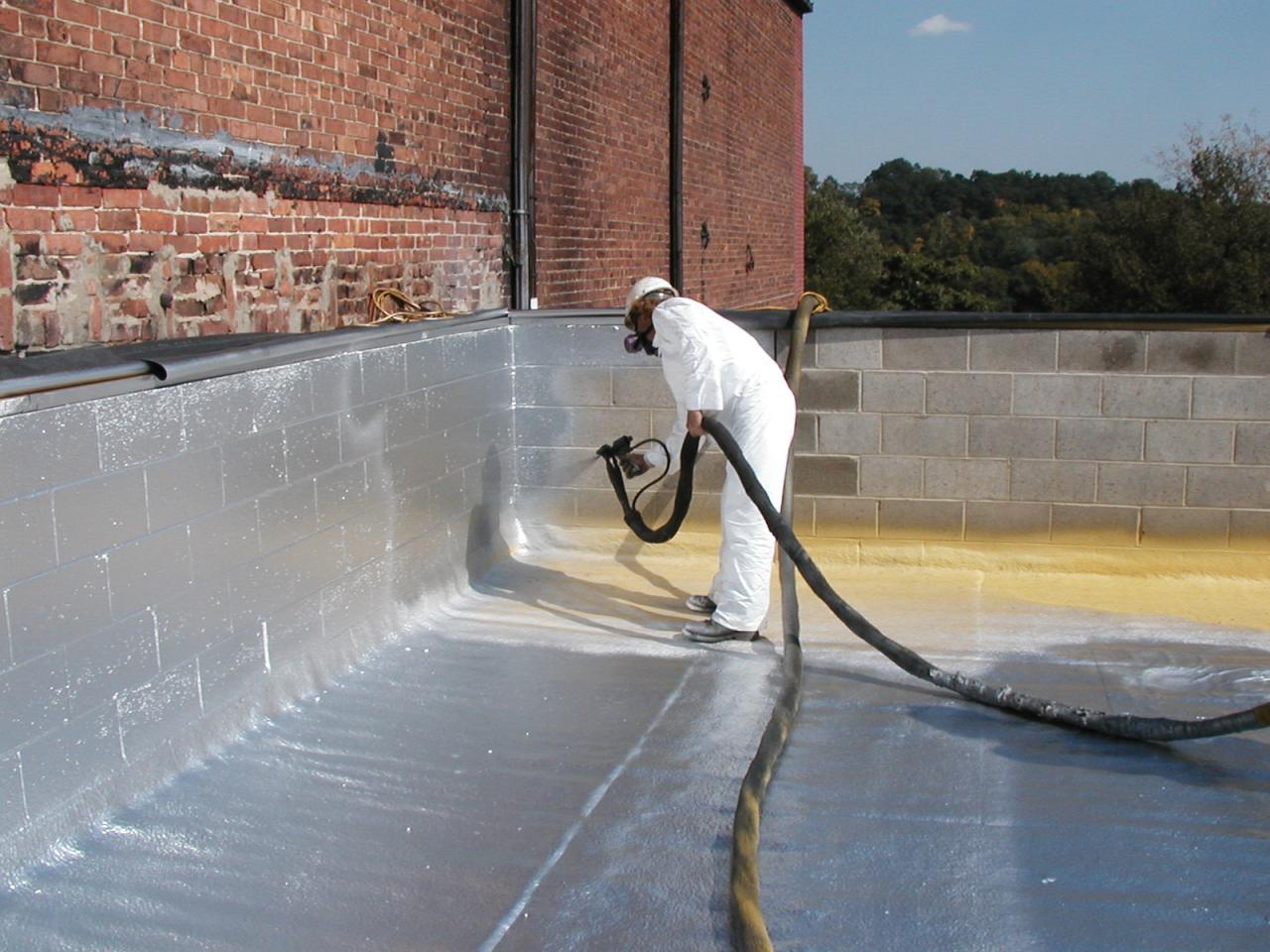
Water damage and environmental factors play a significant role in the structural decay of buildings. Understanding these common factors can help in preventing deterioration and preserving the integrity of the structure.
Water Damage Accelerating Structural Decay
Water infiltration through cracks, leaks, or improper drainage systems can lead to serious structural issues. When moisture seeps into building materials, it can weaken the structural integrity by causing rot, mold growth, and corrosion of metal components. This can compromise the stability of the building and result in costly repairs if not addressed promptly.
Impact of Environmental Factors
Environmental conditions such as humidity and temperature fluctuations can also contribute to structural decay. High humidity levels can promote the growth of mold and mildew, leading to deterioration of materials. Extreme temperature changes can cause expansion and contraction of building materials, eventually causing cracks and weakening the structure over time.
It is essential to consider these factors when choosing high-performance waterproof exterior paint solutions to protect the building against environmental stressors.
Benefits of High-Performance Waterproof Exterior Paint Solutions
Using high-performance waterproof exterior paint offers numerous advantages over traditional paint options
Advantages of High-Performance Waterproof Exterior Paint:
- Prevents water infiltration, reducing the risk of structural decay and mold growth.
- Creates a durable shield against harsh weather conditions, such as UV rays, rain, and snow.
- Enhances the aesthetic appeal of the building, maintaining its appearance for longer periods.
- Requires less frequent maintenance and repainting, saving time and resources in the long run.
Real-World Examples:
Applying high-performance waterproof exterior paint has proven to be effective in preventing structural decay in various buildings. For instance, a historical landmark in a coastal area was coated with this type of paint, protecting it from saltwater exposure and preserving its structural integrity over the years.
Cost-Effectiveness of Investing in High-Performance Waterproof Exterior Paint:
Investing in high-performance waterproof exterior paint may have a higher upfront cost compared to traditional paint. However, the long-term benefits far outweigh the initial investment. By reducing the need for frequent repainting and extensive repairs due to water damage, the overall cost of maintenance is significantly lower, making it a cost-effective solution for property owners in the long run.
Application Techniques for High-Performance Waterproof Exterior Paint
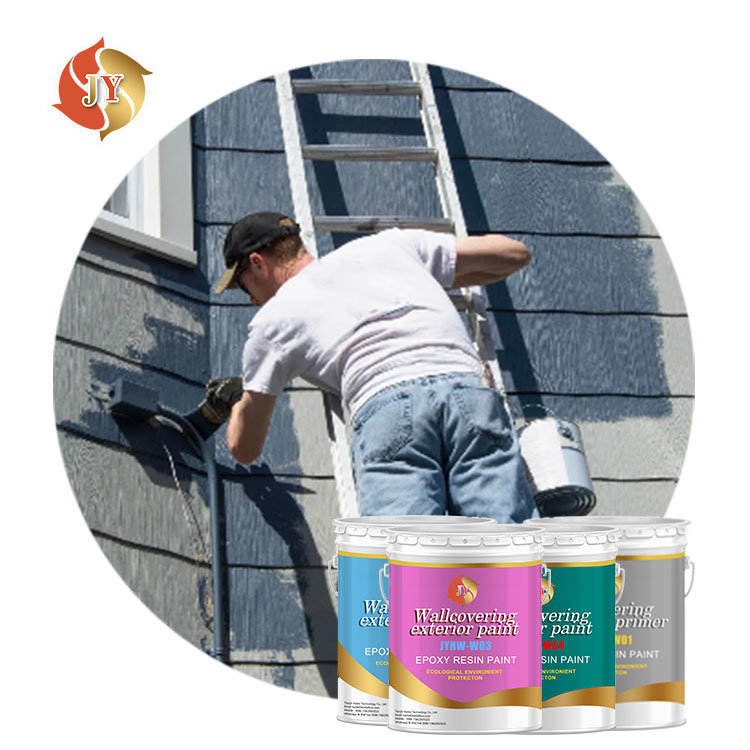
Proper application techniques are crucial to ensure the effectiveness and longevity of high-performance waterproof exterior paint. Here are some key steps to follow:
Preparation Steps Before Applying Waterproof Paint
- Clean the surface thoroughly to remove dirt, dust, and debris. This will help the paint adhere better.
- Repair any cracks or damage to the surface before painting to prevent water infiltration.
- Prime the surface with a suitable primer to improve adhesion and create a smooth base for the paint.
- Ensure proper ventilation in the area to allow the paint to dry and cure effectively.
Application Process for High-Performance Waterproof Exterior Paints
- Stir the paint thoroughly before application to ensure consistent color and texture.
- Apply the paint using a high-quality brush, roller, or sprayer, following the manufacturer's instructions for the best results.
- Apply multiple thin coats instead of one thick coat to achieve better coverage and durability.
- Avoid painting in direct sunlight or extreme temperatures to prevent the paint from drying too quickly.
Tips for Ensuring a Durable and Long-Lasting Finish
- Choose a high-quality waterproof paint with UV protection to prevent fading and discoloration over time.
- Inspect the painted surface regularly for any signs of wear or damage and touch up as needed to maintain protection.
- Consider applying a clear sealant over the waterproof paint for added protection against moisture and environmental damage.
- Follow the recommended maintenance schedule provided by the paint manufacturer to prolong the life of the paint finish.
FAQ Compilation
What makes high-performance waterproof exterior paint different from regular paint?
High-performance waterproof exterior paint is specially formulated to create a protective barrier against moisture, preventing structural decay effectively.
How do environmental factors like humidity impact building materials?
Humidity can lead to moisture accumulation, which in turn accelerates structural decay by weakening building materials over time.
Is investing in high-performance waterproof exterior paint cost-effective in the long run?
Absolutely, as the use of these paint solutions can prevent costly damages caused by structural decay, making it a wise investment for building maintenance.