Benefits of Wood Siding
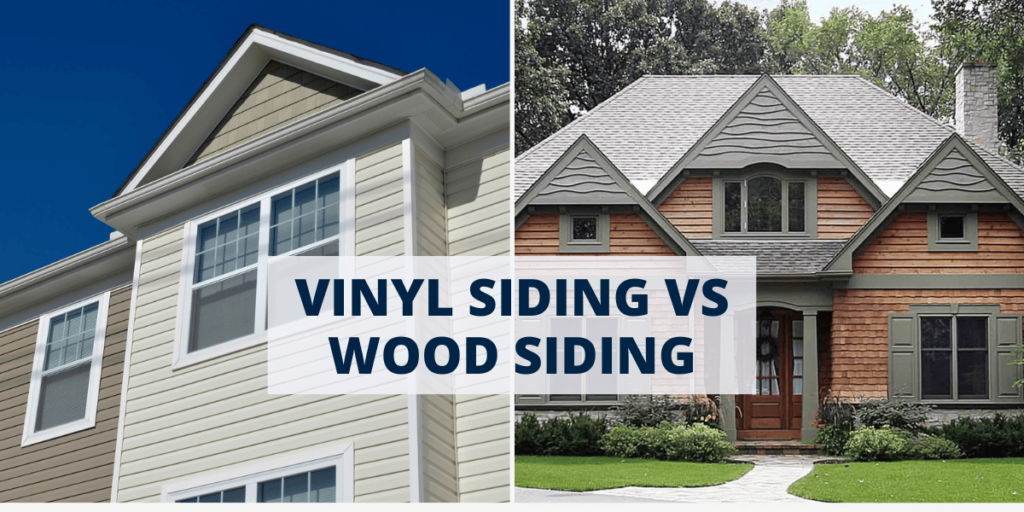
Wood siding offers a timeless and elegant aesthetic appeal that adds a touch of luxury to any exterior. The natural textures and warmth of wood create a welcoming and sophisticated look that is unmatched by other siding materials.
Durability and Longevity
Wood siding, when properly maintained, can last for decades, often outlasting vinyl siding. With regular care and maintenance, such as staining or painting, wood siding can withstand the elements and maintain its beauty over time. Additionally, wood siding can be repaired more easily than vinyl siding, making it a more sustainable choice in the long run.
Benefits of Vinyl Siding
Vinyl siding offers several benefits that make it a popular choice for homeowners looking for a low-maintenance, cost-effective option with a variety of styles and colors to choose from.
Low Maintenance Requirements
Vinyl siding is known for its minimal maintenance requirements compared to wood siding. Unlike wood, vinyl siding does not need to be painted or stained regularly, saving homeowners time and money on upkeep. A simple rinse with a garden hose can keep vinyl siding looking clean and fresh, making it an attractive option for those looking for a hassle-free exterior solution.
Versatility in Colors and Styles
One of the key advantages of vinyl siding is the wide range of colors and styles available. Homeowners can choose from various textures and profiles to achieve the look they desire for their home. Whether you prefer a traditional, modern, or custom design, vinyl siding offers versatility to match any architectural style or personal preference.
Cost-Effectiveness
Vinyl siding is generally more affordable than wood siding, making it a cost-effective choice for budget-conscious homeowners. In addition to the initial cost savings, vinyl siding requires minimal maintenance over the years, further reducing long-term expenses. This affordability, combined with the durability and aesthetic appeal of vinyl siding, makes it a practical and attractive option for many homeowners.
Texture and Design Considerations
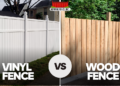
Wood and vinyl siding both offer unique textures and design elements that can enhance the overall look of a home. Let's explore how these factors play into the decision-making process when choosing between wood siding and vinyl siding.
Wood Siding Textures Enhancing Architectural Elements
Wood siding has a natural, warm texture that can add depth and character to a home's exterior. The grain patterns and variations in color create a rustic and inviting look that complements various architectural styles. Whether it's horizontal clapboard, vertical board and batten, or shingle-style siding, wood textures can highlight architectural details and create a sense of craftsmanship
Vinyl Siding Mimicking Wood Grains for a Luxurious Look
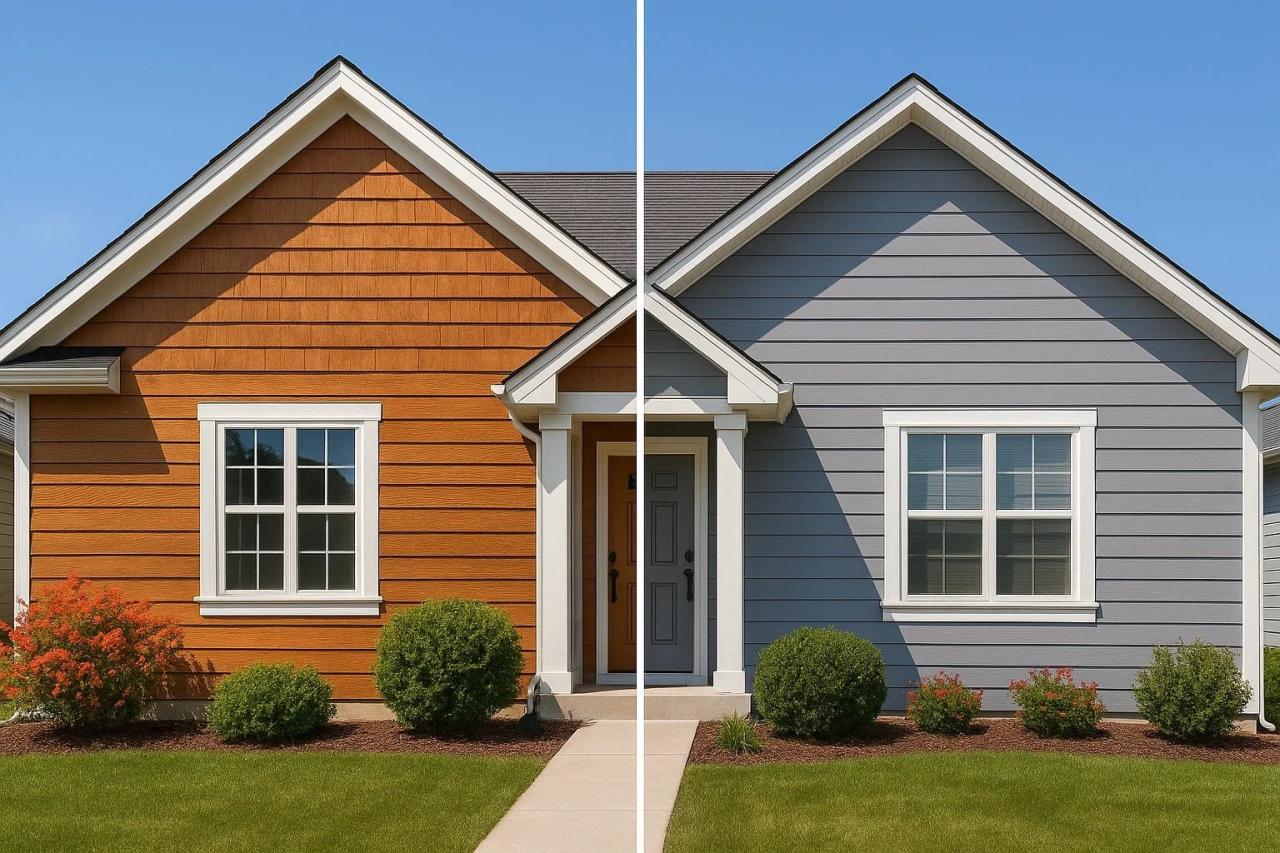
Advancements in technology have allowed vinyl siding to emulate the look of wood grains with impressive realism. From cedar shakes to wood planks, vinyl siding textures can replicate the natural beauty of wood without the maintenance requirements. This allows homeowners to achieve a luxurious aesthetic without sacrificing durability and ease of care.
Design Flexibility for Different Architectural Styles
Both wood siding and vinyl siding offer design flexibility to suit various architectural styles. Wood siding can be stained or painted in a range of colors to complement traditional, contemporary, or rustic designs. On the other hand, vinyl siding comes in a wide array of colors and profiles, offering versatility in achieving different looks.
Whether you prefer a classic cottage style, a modern farmhouse vibe, or a sleek contemporary aesthetic, both siding options can be tailored to meet your design preferences.
Sustainability and Environmental Impact
Wood siding has long been considered a sustainable choice for luxury exterior designs due to its natural abundance and biodegradability. When sourced from responsibly managed forests, wood siding can be a renewable and eco-friendly option for homeowners looking to reduce their environmental impact.
Recyclability and Energy Efficiency of Vinyl Siding
Vinyl siding, on the other hand, is not biodegradable and can pose challenges when it comes to disposal. However, vinyl siding is recyclable, and some manufacturers offer recycling programs to reduce waste. Additionally, vinyl siding is known for its energy efficiency, as it can help improve insulation and reduce energy consumption in homes.
Carbon Footprint of Wood vs. Vinyl Siding
In terms of carbon footprint, the manufacturing process of wood siding typically requires less energy compared to vinyl siding. Wood is a natural material that does not require extensive processing, while vinyl production involves chemical processes that can contribute to greenhouse gas emissions.
By choosing wood siding over vinyl, homeowners can potentially lower the carbon footprint of their luxury exterior designs.
FAQ
What are the main aesthetic appeals of wood siding?
Wood siding offers a natural, warm appearance that enhances the luxury feel of an exterior, providing a timeless and elegant look.
How does the cost of vinyl siding compare to wood siding?
Vinyl siding is typically more cost-effective than wood siding, making it a budget-friendly option for those looking to achieve a luxurious exterior.
Can vinyl siding accurately mimic the textures of wood grains?
Yes, advancements in vinyl siding technology allow for incredibly realistic wood grain textures, providing a luxurious appearance without the maintenance requirements of wood.